Attic insulation in Pasadena CA - upstairs rooms that stay cooler in summer
Hot upstairs rooms and a climbing power bill usually point to the attic. We fix what's wrong up there, then insulate it right.
- Service
- Attic insulation
- Call
- (626) 345-7649
How can you tell your attic needs more insulation?
Upstairs rooms stay hot
The bedrooms upstairs or the room over the garage stay hot well into the evening while the rest of the house cools off. That usually means the attic is short on insulation or leaking air through gaps, and every summer it stays that way the AC runs longer and the power bill shows it.
Insulation thin at the edges
Look in from the hatch and you may see the tops of the ceiling joists, or a deep pile in the middle that thins out toward the eaves. The edges over your outside walls matter as much as the middle, so a patchy attic keeps letting heat in no matter how much is piled up in the center.
Dirty, matted or stained insulation
Dark streaks, flattened spots, water stains or droppings in the old insulation usually mean air is moving through gaps, the roof has leaked or animals have been up there. New material on top hides that instead of fixing it, and the longer a wet spot sits, the more it can work into the framing.
What does it take to insulate an attic in Pasadena?
Attic insulation adds a layer of insulating material across the floor of your attic, or under the roof when the attic isn't vented, so your house holds its temperature better and the rooms below stay quieter. In a Pasadena home it's usually the most direct fix for a hot upstairs, as long as leaks and gaps get handled first.
Most calls I get start with a hot upstairs, the room over the garage nobody wants to sleep in, or an older house with insulation nobody's looked at in years. The price mostly comes down to how big the attic is, how many inches are already up there, how many gaps need sealing and whether the old material has to come out first with insulation removal, and the schedule mostly turns on whether a roof, fan or wiring repair has to happen before we start. Your written estimate spells out what gets done first and why, so you can see where the money goes before you decide.
Details to note before an estimate
- Rough attic size in square feet
- Inches of insulation already up there
- Roof leaks or ceiling water stains
- Rooms that run hot or drafty
How we handle attic insulation
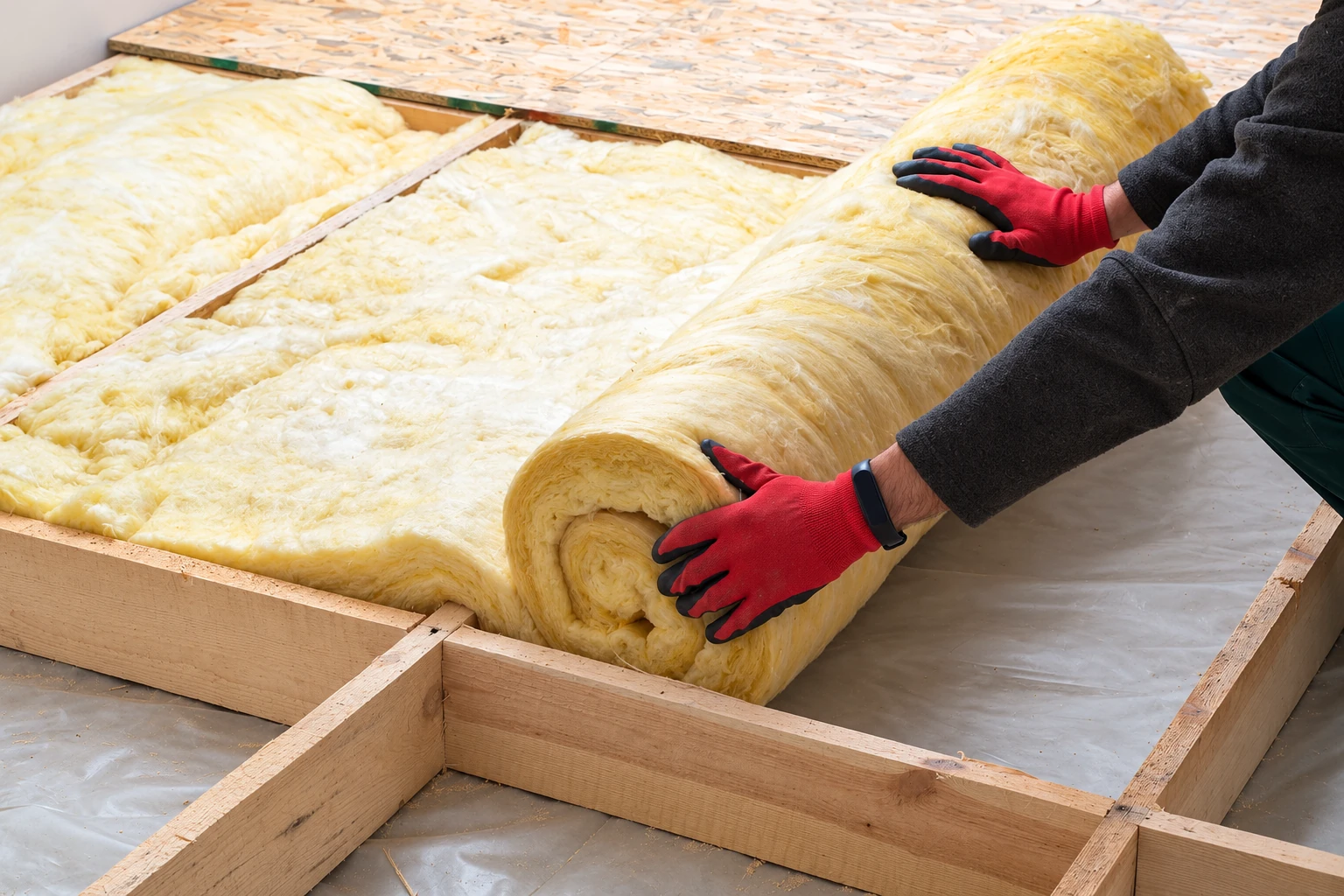
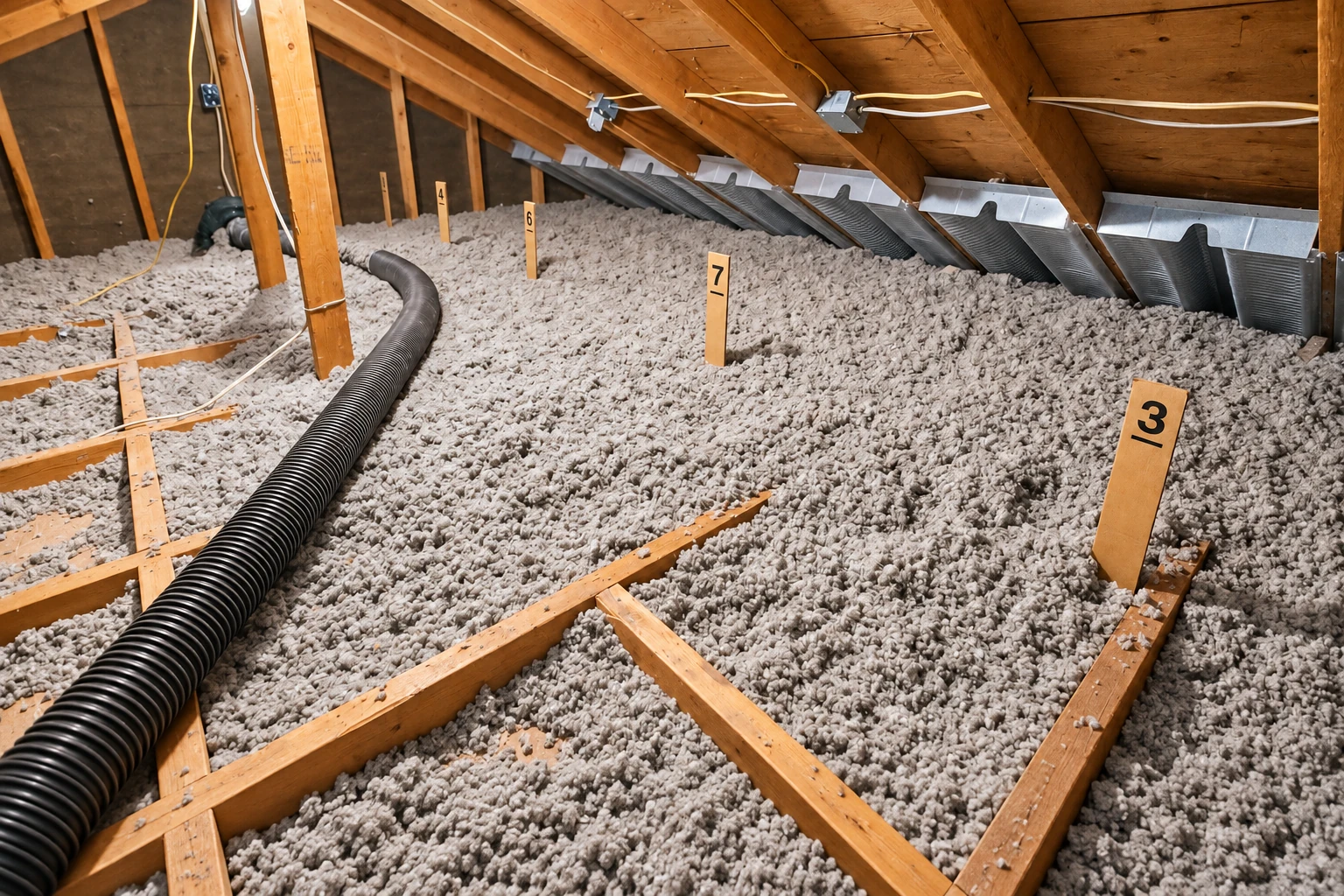
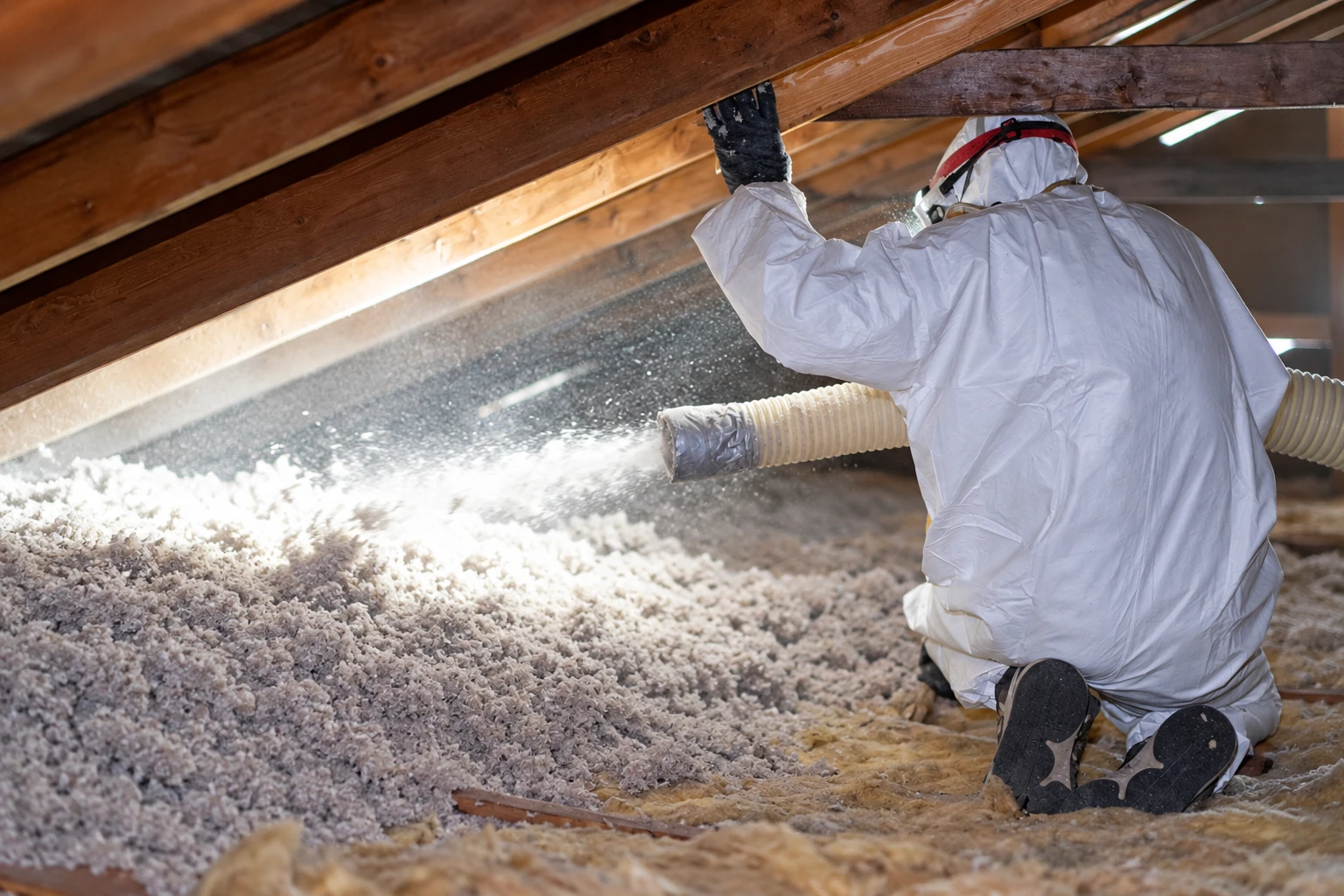
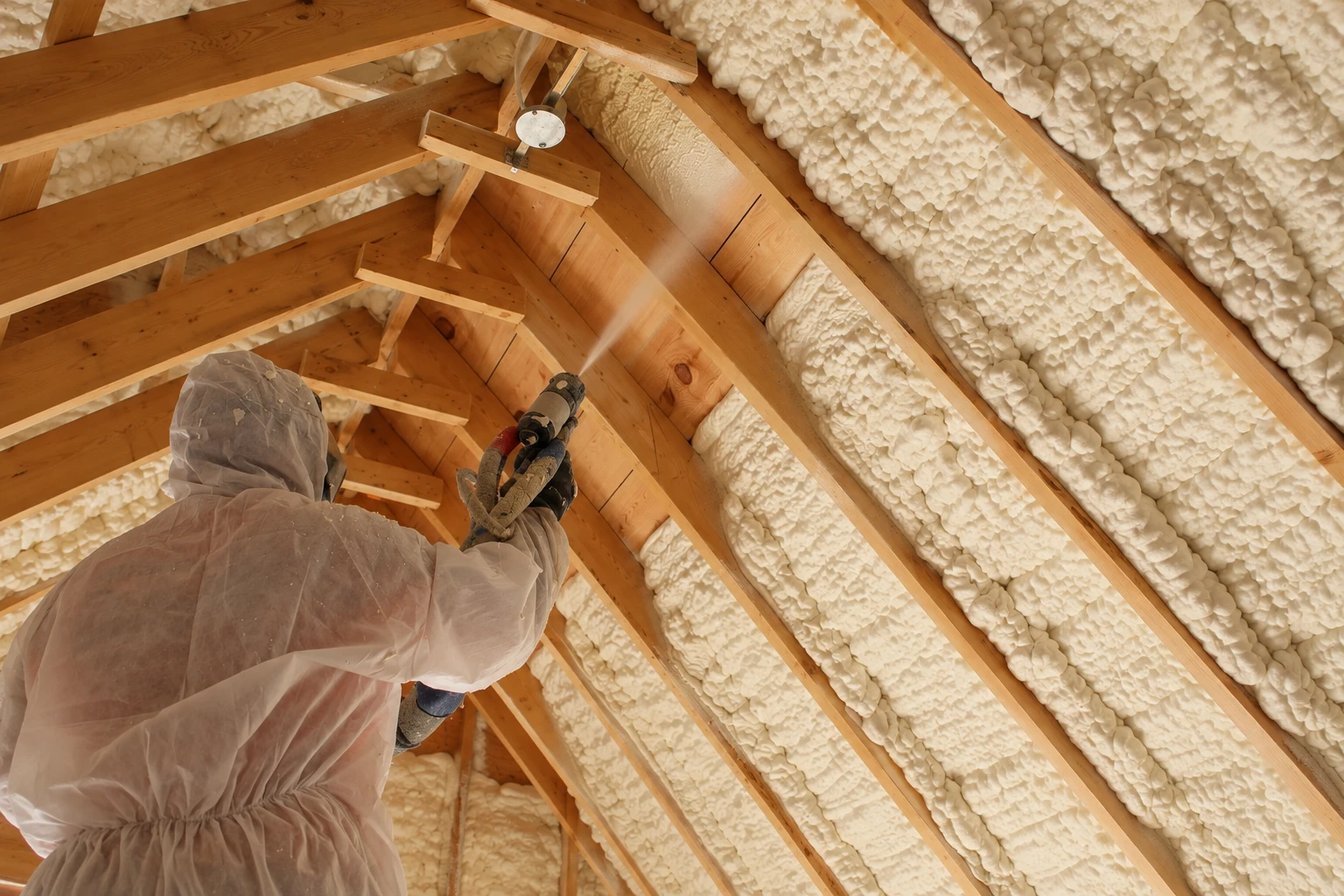
Before anything goes down, I go up and check the roof, the fan vents and any wiring in the attic, because insulation over a problem just buries it. Then our crew does air sealing, which means closing the gaps around can lights, pipes and the hatch, so the new insulation isn't fighting a draft. We keep the eave vents clear so the attic can still breathe, and we lay the insulation evenly all the way out to the edges, where it usually ends up thinnest. For a vented attic we usually start with loose fill or batts because they're the more affordable choices, and I only suggest more when the attic calls for it. Foam costs more since it seals air while it insulates, and it starts to earn that price when your ductwork runs through the attic.
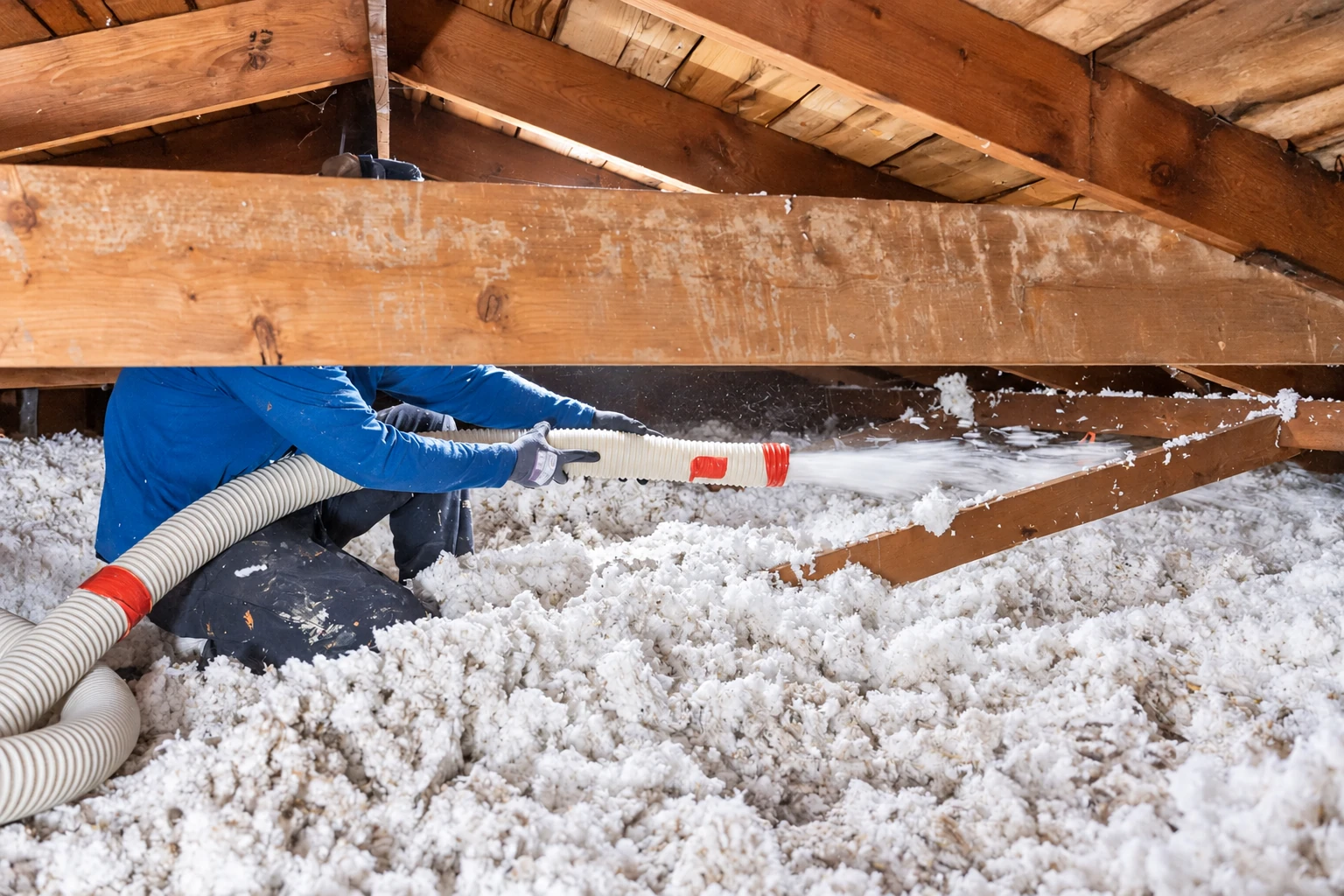
Most of the loose fill we put down is blown-in insulation, fed through a hose so it settles around joists and wires without leaving gaps. If the attic is only part of why the house feels drafty, we can look at the walls and floors too as part of our home insulation work.
Other work that often goes with an attic job
Blown-in insulation
If the old insulation is clean and dry but too thin, blowing in more is usually the simplest way to bring the whole attic up evenly.
Home insulation
When the downstairs feels cold or drafty too, the fix may be in the walls or under the floor, not just overhead.
What happens after you call about your attic
Call or send a request
Call (626) 345-7649 or use the form, and we'll get back to you to set a time for me to come out. It helps to have the rough attic size handy and to mention any roof leaks, gas appliances or odd-looking insulation.
I look at the attic
I come out myself, go up into the attic with you and check the roof, fans and wiring before we talk about material. You get a written estimate that lays out what gets done first and why, so nothing on the bill is a surprise.
Our crew does the work
When you're ready, our own trained crew seals the gaps first and then puts the insulation down, keeping it clear of the eave vents. With loose fill or batts you can usually stay home, and if your job uses foam, I'll tell you the re-entry time, meaning when you can come back inside, before we book it.
We go over the finished attic
Before we call it done, I go over the finished job with you so you can see the depth, the sealed gaps and the clear vents. Your satisfaction, guaranteed.
Questions about attic insulation before you book
How much does attic insulation cost in Pasadena?
Attic insulation installed in the Los Angeles area usually runs about $1 to $4 per square foot. Where your attic lands in that range depends on the material, how much is already up there and whether gaps need sealing or old insulation has to come out first, and your written estimate breaks that out.
Does Pasadena Water and Power help pay for attic insulation?
It can, if you're a residential electric customer. The ceiling insulation rebate pays back $0.10 per square foot, plus $0.05 per square foot with a qualified local contractor or a purchase in Pasadena, when the new insulation brings your ceiling to R-30 or higher, R-value being how well it slows heat. It's limited to one rebate per property every 15 years, new construction and jobs where code requires the upgrade don't qualify, and the utility's no-cost Home Improvement Program also lists blown cellulose attic insulation and air sealing, though not every home gets every item and anyone who gets insulation through it can't take the rebate too.
How do I know what to fix before insulating my attic?
National guidance says a leaking roof gets fixed first to keep moisture out, bathroom, kitchen and dryer fans have to vent outdoors, and active knob-and-tube wiring, the old wiring strung on porcelain knobs, means the house needs rewiring before insulation goes in. I check all three on the estimate visit and tell you plainly if one has to come first.
What should I do if my attic has vermiculite insulation?
Leave it alone, because national guidance says disturbing vermiculite can release asbestos fibers into the air. Removal should be done by a trained, accredited asbestos abatement contractor that's separate from whoever assessed it. It's a pebble-like pour-in fill, usually gray-brown or silver-gold, so if you see it up there, mention it when you ask for an estimate and we won't touch it.
How do I plan attic air sealing and insulation together?
Do the air sealing first and the insulation after it, which is the order national guidance recommends, since the gaps are hard to reach once they're buried. If you have a gas or oil appliance like a furnace or water heater, it's worth having a Home Performance Contractor test that it vents its exhaust properly before and after the sealing.
What license should an attic insulation contractor have in California?
California's state licensing board has a classification just for insulation and acoustical contractors, the people who install insulation, so that's the license to ask about when you compare quotes. We're licensed and fully insured, and I come out to look at the job myself before our own crew does the work.
Get a written plan for your attic
Send the form and we'll reply within one business day to set up a free estimate at your property. I'll look at the attic with you and hand you a written plan showing what gets done first and why. It's obligation-free, so you can take your time deciding.
Explore our services and areas
Services
- Spray foam insulation
- Blown-in insulation
- Home insulation
- Insulation removal
- Crawl space insulation
- Wall insulation
- Air sealing services
- Basement insulation
- Closed-cell foam insulation
- Open-cell foam insulation
- Commercial insulation
- Crawl space vapor barrier
- Vapor barrier installation
- Attic air sealing
- Retrofit insulation
Book a free look at your attic
Call (626) 345-7649 with your rough square footage and whether you're a PWP electric customer, since both shape the price and any rebate.