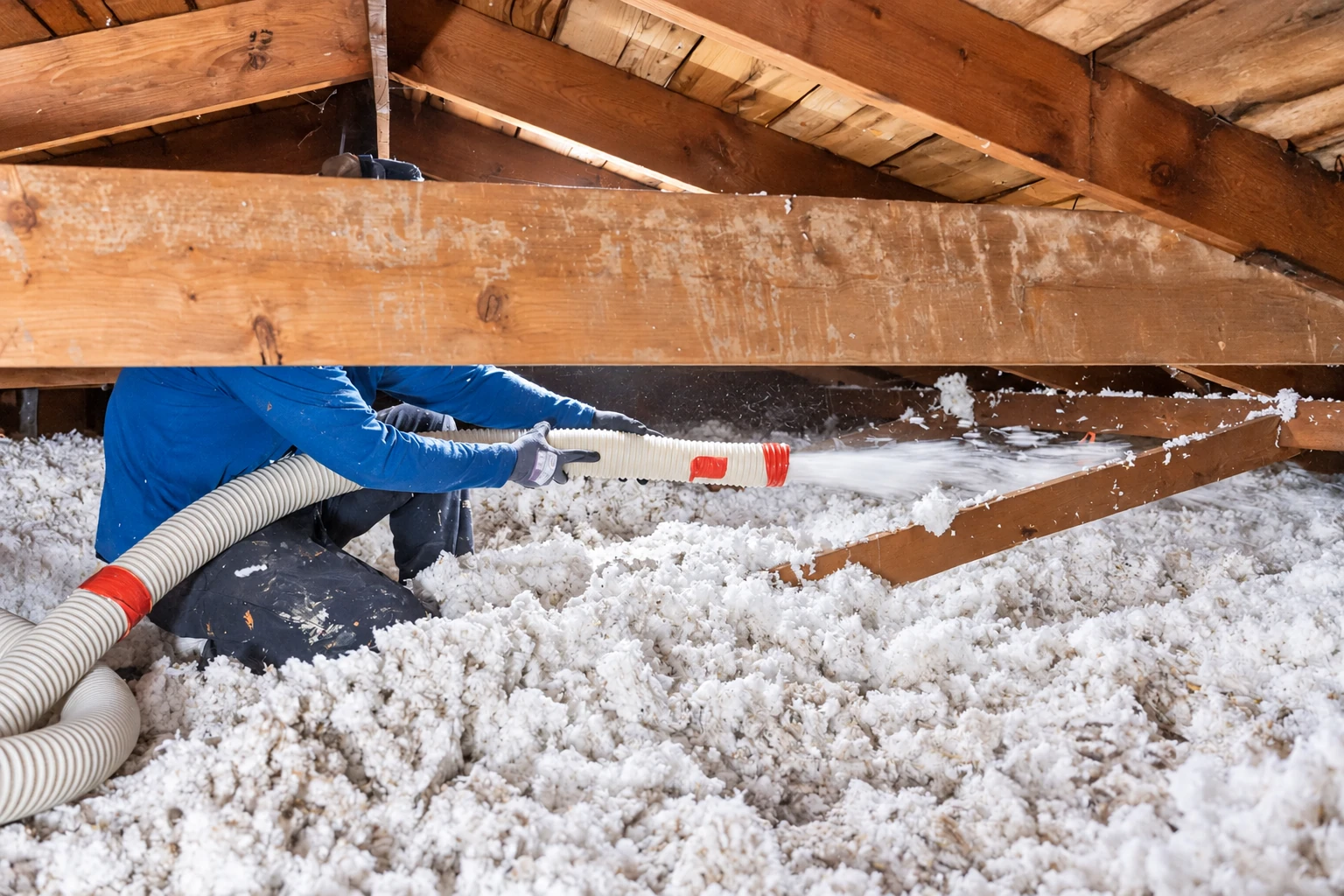
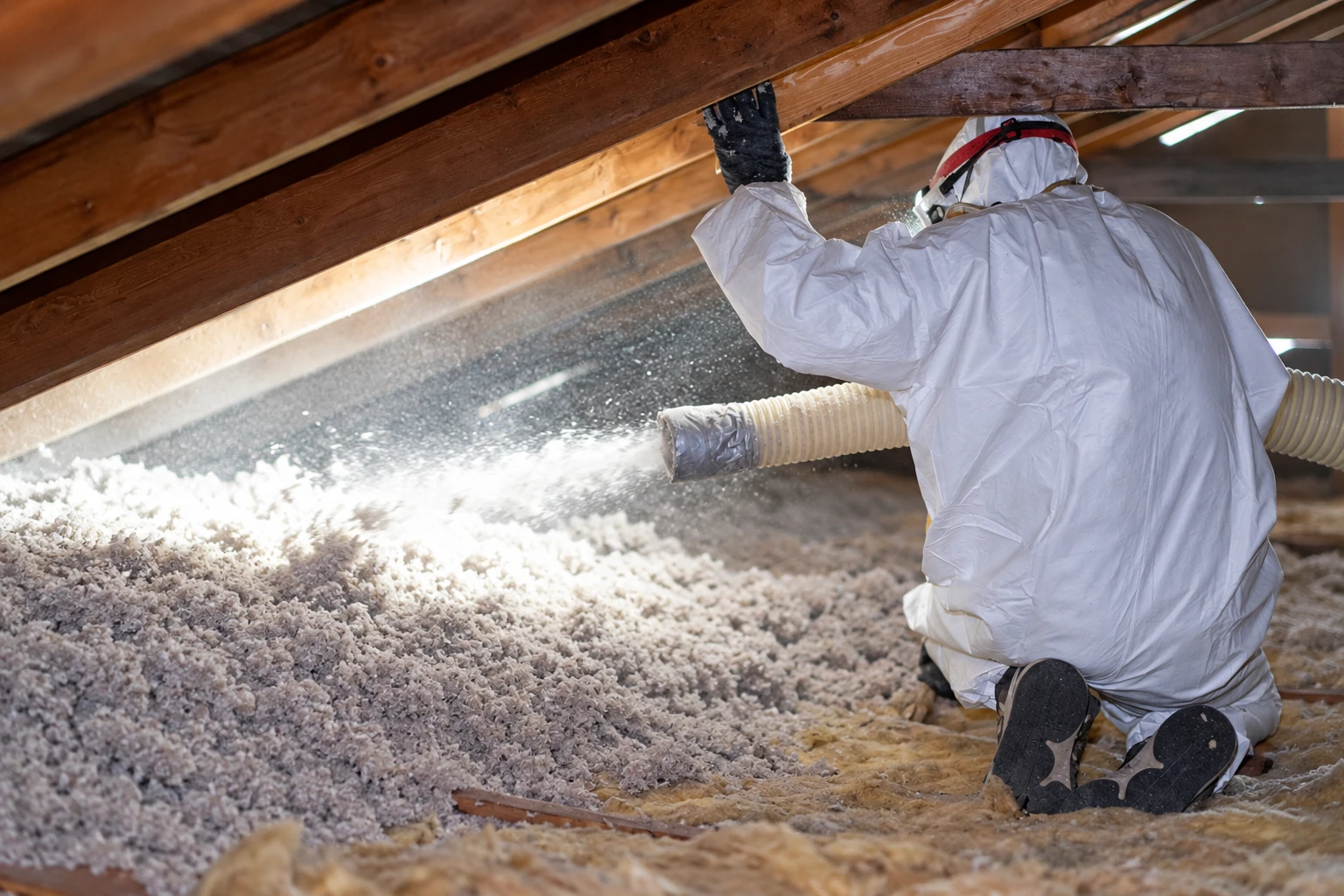
Blown-in insulation in Pasadena CA - even coverage out to the attic edges
Upstairs hot all summer and the attic floor looks thin? We blow in an even layer to the edges and keep the eave vents open.
- Service
- Blown-in insulation
- Call
- (626) 345-7649
How can you tell your attic needs blown-in insulation?
Hot rooms upstairs
The bedrooms upstairs or the room over the garage stay hot well into the evening, even with the AC running. That usually means the attic insulation is thin or has settled, and every summer you wait, the power bill pays for it.
Joists showing through
You look through the hatch and see the tops of the ceiling joists sticking out of the insulation. That means there's less up there than the house needs, and heat moves through the bare wood and thin spots until it's topped up.
Patchy, stained or matted
You see bare spots near the edges, piles in the middle, or insulation that's stained, flattened or full of droppings. Uneven fill leaves hot and cold spots, and a stain can point to a roof leak, so I'd want to find that before anything new goes on top.
Is blown-in insulation the right fix for your Pasadena attic?
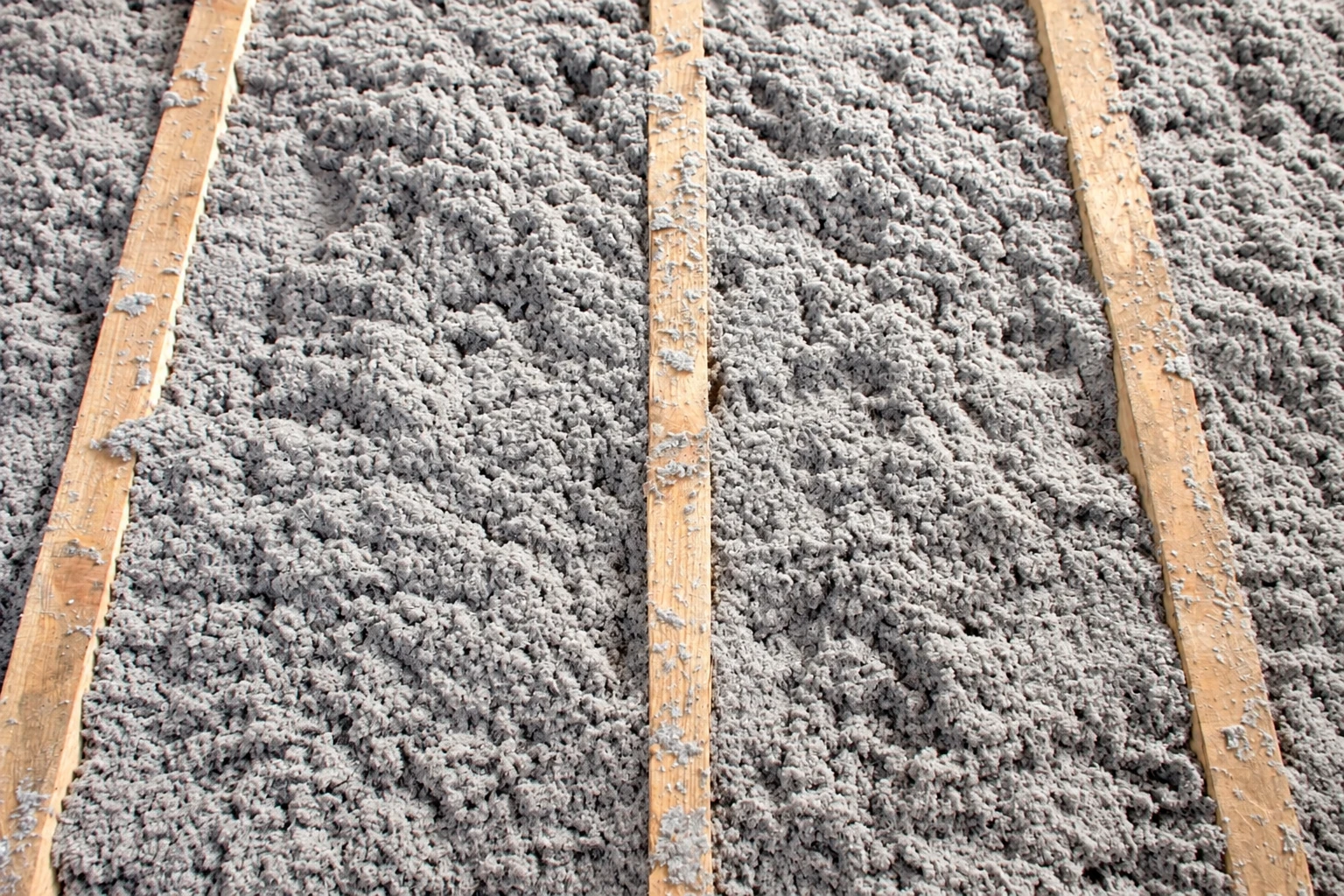
Blown-in insulation is loose fill blown through a hose across your attic floor, and for most Pasadena houses with a thin or settled attic it's the simplest way to slow the heat coming through the ceiling. At QuietCore Pasadena Spray Foam Insulation we do the air sealing first, closing the gaps around pipes, wires and the hatch, then blow in an even layer that covers the whole ceiling out to where the walls meet the roof.
Most calls I get start with hot rooms upstairs or a drafty older house, and the attic is usually the first place to look. The price comes down to how big the attic is, how many inches are already up there, whether old insulation has to come out first and how much sealing it needs, while the schedule mostly turns on whether removal or a roof repair has to happen before we insulate. Your written estimate lays out your price and the order of work, and if drafts are the main complaint, attic air sealing is worth a look on its own. We're licensed and fully insured, and if your job needs a permit we find out whether the city or the county covers your address, then pull it and handle the inspection, which in Pasadena goes through the city's Permit Center.
Details to note before an estimate
- Rough square footage of the attic
- Inches of insulation already up there
- Recessed lights in the upstairs ceilings
- Any damp, droppings or vermiculite up there
How we do blown-in insulation
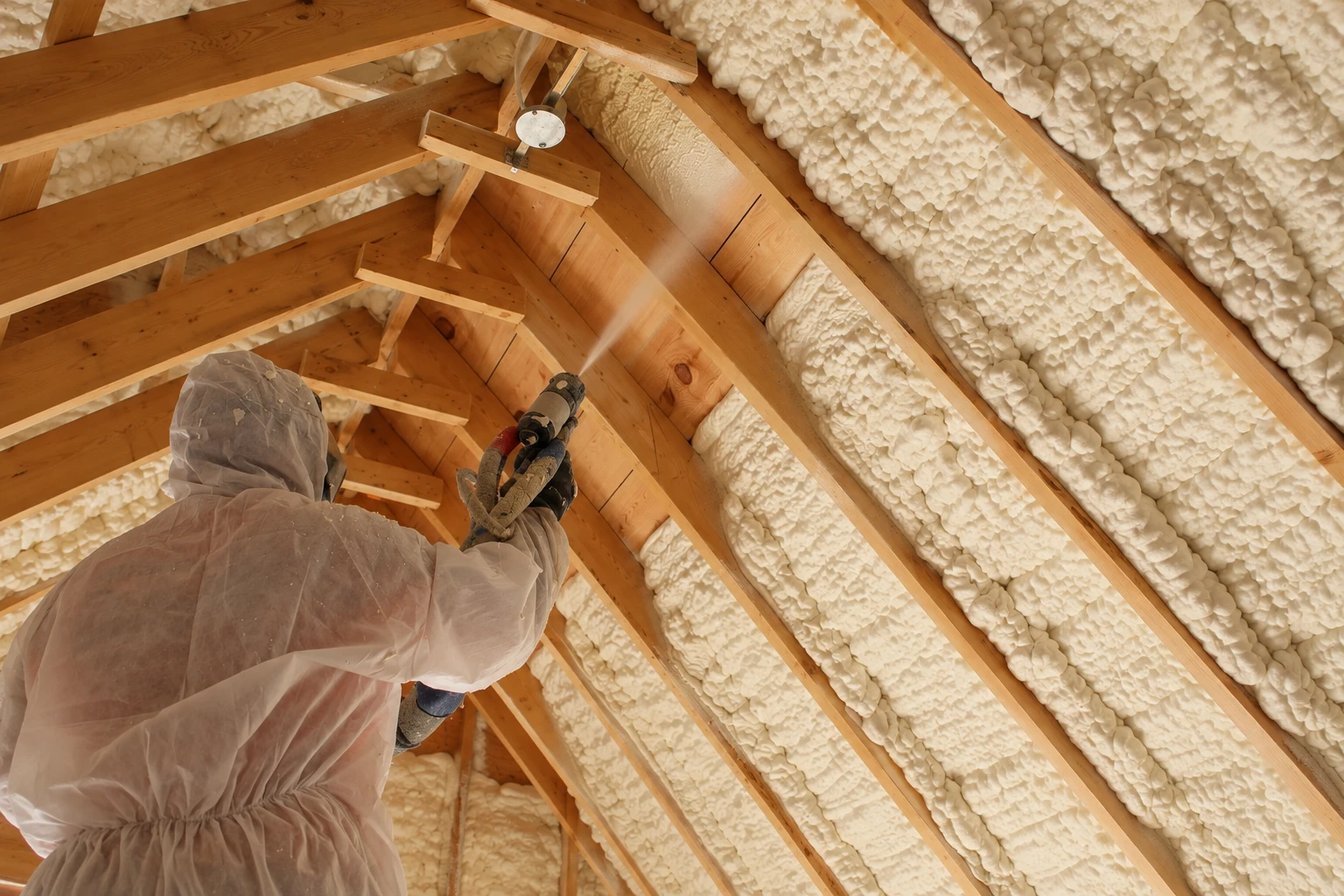
Before anything gets blown in, I go up and look at what's there, because new insulation over a soaked spot, droppings or a roof leak just hides the problem. Then our crew seals the gaps around pipes, wires, the hatch and the light fixtures, so the new layer isn't fighting a draft. We make sure the vents at the eaves stay open so the attic can still breathe, keep the fill clear of recessed lights that aren't made to be covered, and blow it in evenly out to the edges, which is where a lot of attics end up thin while the middle gets piled deep. If your ductwork runs through the attic, spray foam can be worth its higher price because it seals air as it insulates, but for most attics I'd seal the gaps and top up with loose fill.
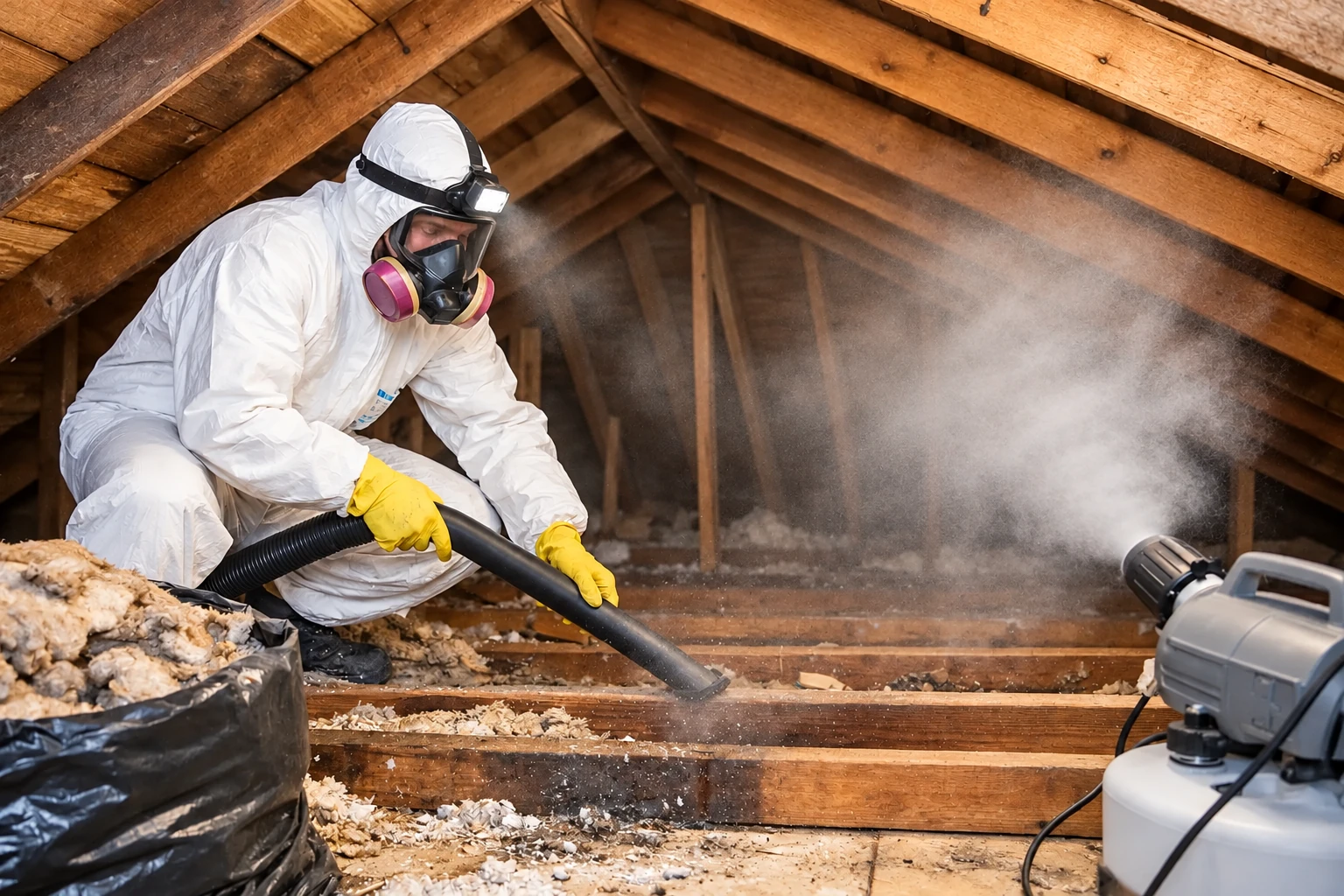
When the old insulation is wet, matted or full of droppings, insulation removal comes first so the new layer starts clean. And if the drafts and hot rooms go past the attic into the walls and floors, we look at it as a home insulation job instead of just the ceiling.
Other work that often goes with it
Insulation removal
Old attic insulation that's stained, soggy or full of rodent mess has to come out before a fresh layer can do its job.
Home insulation
When the attic is only part of why the house runs hot or drafty, a whole-house plan covers the walls, floors and crawl space in the right order.
What happens after you call about blown-in insulation in Pasadena?
Call or send a request
Call (626) 345-7649 or use the form, and we'll set a time for me to come out. Mention any recessed lights or anything odd you've seen up there so I know what to look for.
Look at the attic together
I come out myself, go through the attic with you and show you what I find. You get a written estimate with the price, what gets done first and why, so you know the cost before anything starts.
Seal, insulate, walk through
Our own trained crew does the work in the order the estimate lays out. When it's done, I go over the finished attic with you before we call it complete.
Questions before you book blown-in insulation
What does blown-in attic insulation cost around Pasadena?
Attic insulation in the Los Angeles area usually runs about $1,600 to $5,300 per job. Where yours lands depends on the attic's size and the things covered above, like old insulation coming out and how much sealing it needs. Your written estimate gives you your own figure, and our promise stays the same on every job. Your satisfaction, guaranteed.
Can Pasadena Water and Power help pay for attic insulation?
Yes, Pasadena Water and Power offers a ceiling insulation rebate of $0.10 per square foot, plus another $0.05 per square foot when you use a qualified local contractor or buy in Pasadena. It's open only to residential PWP electric customers, and the new insulation has to bring your ceiling to R-30 or higher on R-value, the measure of how well insulation slows heat. PWP's Home Improvement Program also lists blown cellulose attic insulation among the products it installs at no cost.
Is blown-in insulation better than batts in an attic?
For most attics, yes. Older federal energy guidance says blowing in loose fill, whether fiberglass, rock wool or cellulose, usually costs less than laying batts and covers the attic floor more evenly. That matters because the gaps around framing and wires that batts leave are where heat slips through.
What should I do if my attic has vermiculite insulation?
The EPA recommends leaving vermiculite undisturbed. If you decide to have it removed, a trained, accredited asbestos abatement contractor should do it, separate from the company that assessed it, so removal becomes its own job. If I spot it on the estimate visit, I'll tell you plainly, and we won't start until you've decided how to handle it.
How do I know if my recessed lights can be covered with insulation?
Check whether each fixture is IC-rated, which means it's rated for insulation contact. Cellulose makers' install instructions say recessed lights, heaters and other heat-producing fixtures have to stay uncovered unless they carry that rating. It's worth asking which of your fixtures are rated before work starts, and I look at them on the estimate visit.
How do I check that enough blown-in insulation went into my attic?
Ask how many bags the coverage chart calls for in your attic, because the R-value on the bag only holds when the installer follows the chart's bag count and weight per square foot. With cellulose, a fresh layer also sits deeper than it will once it settles, so a deep attic on day one is normal. I'm glad to go over those numbers with you on the walk-through.
Get a written plan for blown-in insulation in your attic
We reply to every call and request within one business day. Once you send the form, we set a time for me to come out, look at the attic with you and leave a free written estimate with the order of work. It's obligation-free, so take whatever time you need to decide.
Explore our services and areas
Services
- Spray foam insulation
- Attic insulation
- Home insulation
- Insulation removal
- Crawl space insulation
- Wall insulation
- Air sealing services
- Basement insulation
- Closed-cell foam insulation
- Open-cell foam insulation
- Commercial insulation
- Crawl space vapor barrier
- Vapor barrier installation
- Attic air sealing
- Retrofit insulation
Book your blown-in insulation estimate
Call (626) 345-7649 with your attic's rough size and whether you have recessed lights or a PWP electric account, and we can plan the visit around it.