Open-cell foam insulation in Pasadena CA - a sealed roof deck and a cooler upstairs
Hot upstairs rooms and a drafty attic usually trace back to air leaking at the roof. We seal and insulate it in one pass.
- Service
- Open-cell foam insulation
- Call
- (626) 345-7649
How can you tell your attic needs foam at the roof?
Upstairs rooms stay hot
The bedrooms under the roof are still warm long after the sun goes down, and the room over the garage is worse. That's usually heat soaking through the roof deck while attic air leaks into the rooms below, and the longer it goes, the harder your AC works every afternoon and the higher the power bill climbs.
Ductwork in the attic
If your furnace or AC ducts run through the attic, they're sitting in the hottest air in the house, so the cool air has warmed up before it reaches a room. This is the case where foam at the roof deck makes the most sense, because it brings those ducts inside the sealed part of the house.
Drafts at the ceiling
You can feel air or see dust streaks around can lights, the attic hatch or pipes coming through the ceiling. Those gaps mean any insulation up there is fighting a draft, and adding more fill without air sealing, which means closing those gaps first, won't fix it.
Is open-cell spray foam right for your Pasadena attic?
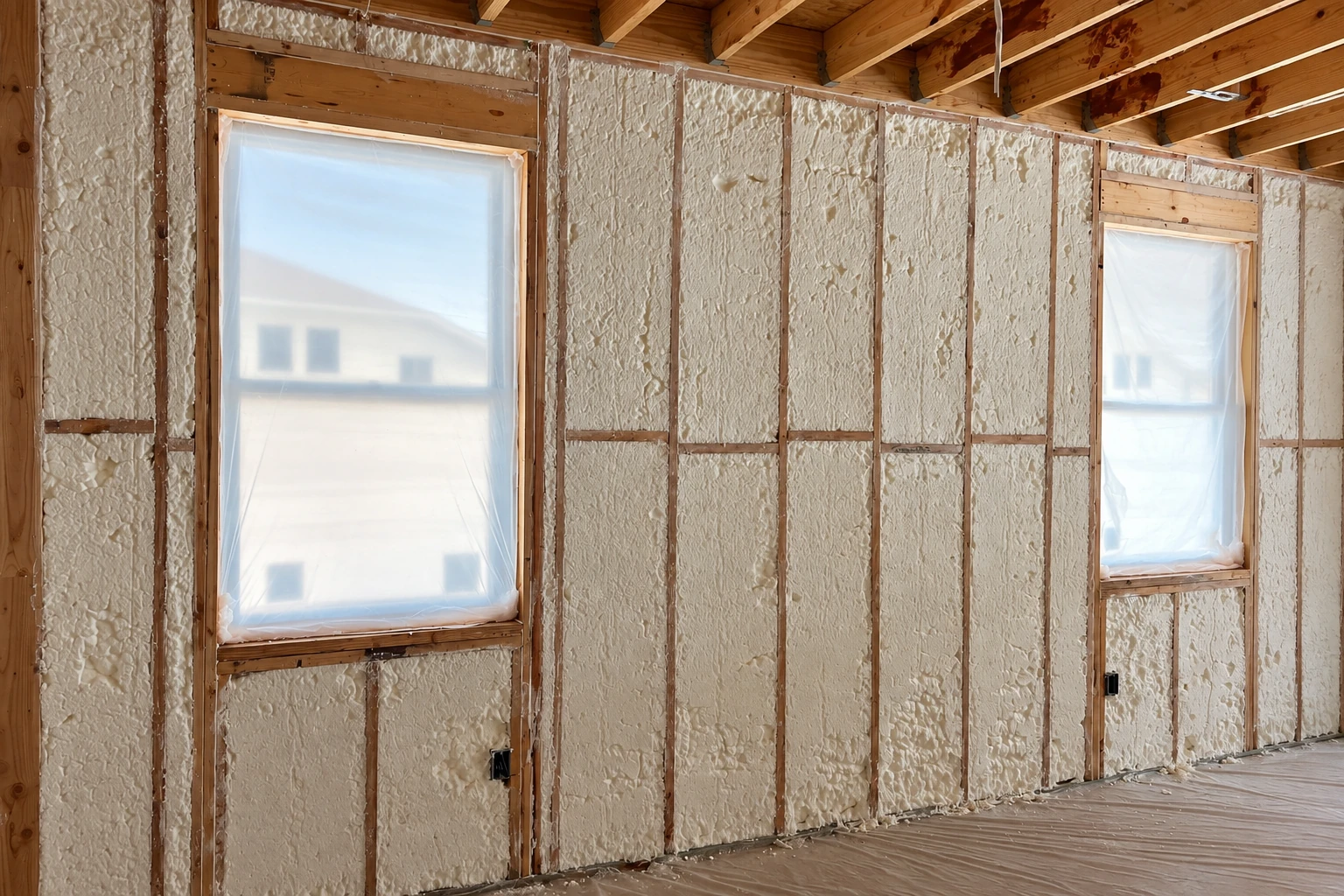
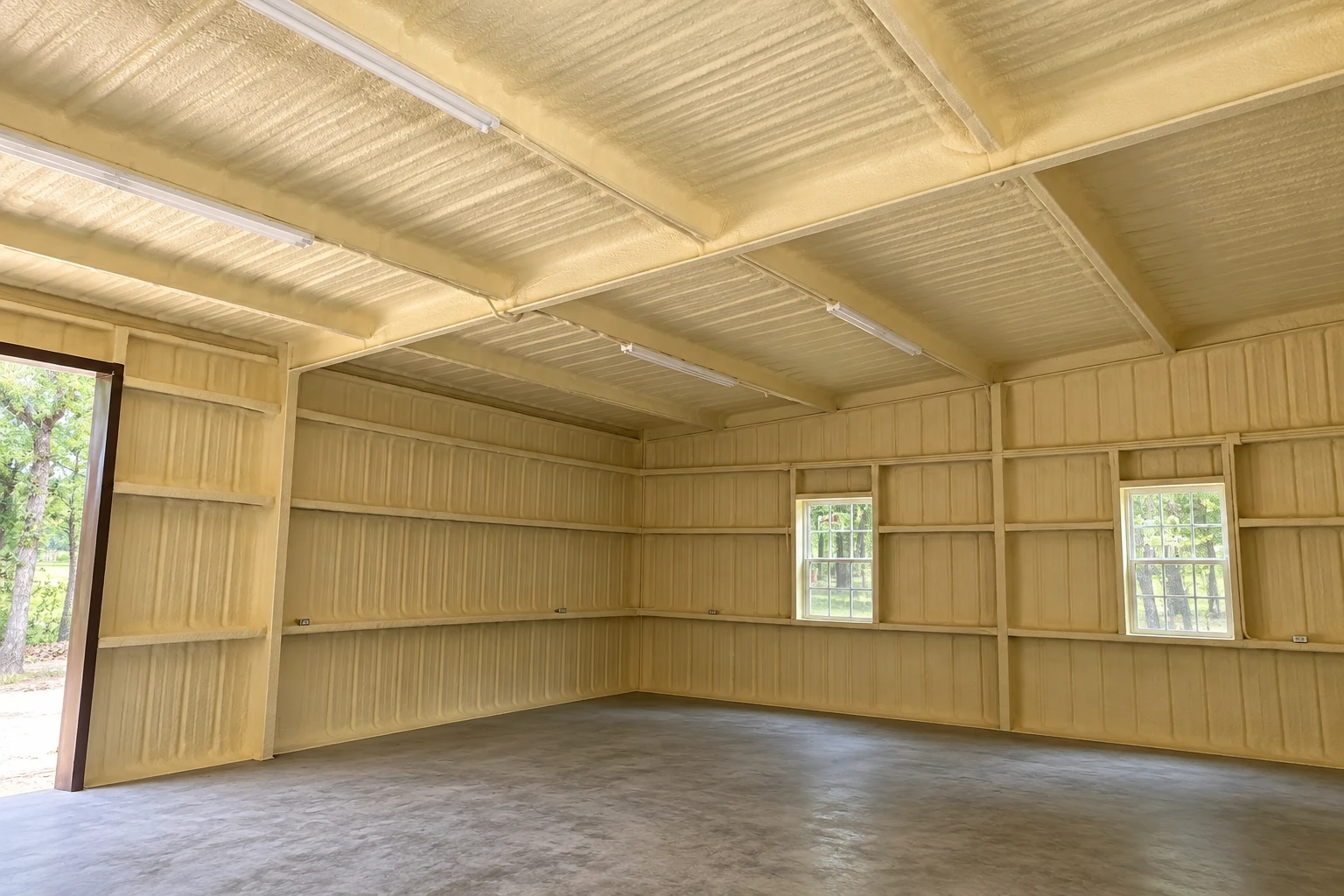
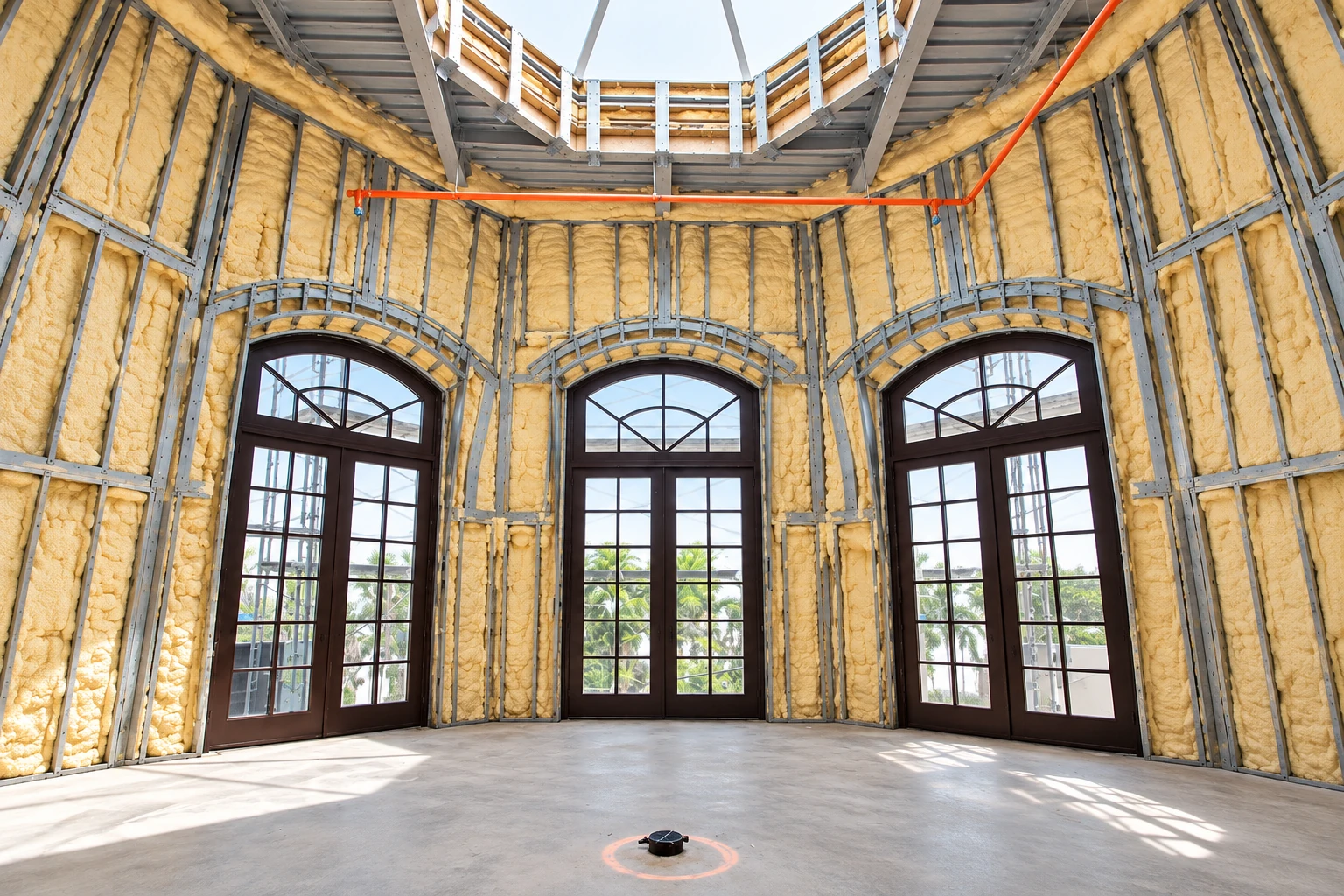
Open-cell foam insulation is sprayed onto the underside of the roof deck, in sealed attics without vents or under cathedral ceilings, where it insulates and stops air leaks in the same layer. At QuietCore Pasadena Spray Foam Insulation, we use it to bring hot upstairs rooms in Pasadena homes back under control, and we always check the attic first for anything the foam would cover up.
Most people who ask me about foam have a hot upstairs or ductwork baking in the attic. Foam costs more than sealing the gaps and topping up blown-in insulation, the loose fill we blow through a hose, and for plenty of attics that cheaper route is the right one, but when the ducts live up there I lean toward foam at the roof deck because it puts them inside the sealed house. The price moves with the size of the roof deck, how deep the foam goes and whether old insulation has to come out first, and the schedule mostly turns on any roof or wiring fixes and when your household can be away, all of which the written estimate lays out for your house in the order we'd do it.
Details to note before an estimate
- Rough square footage of the attic
- Whether ducts or the AC unit are up there
- Rooms that run hot or drafty
- How many inches of insulation are there now
How we install open-cell foam insulation
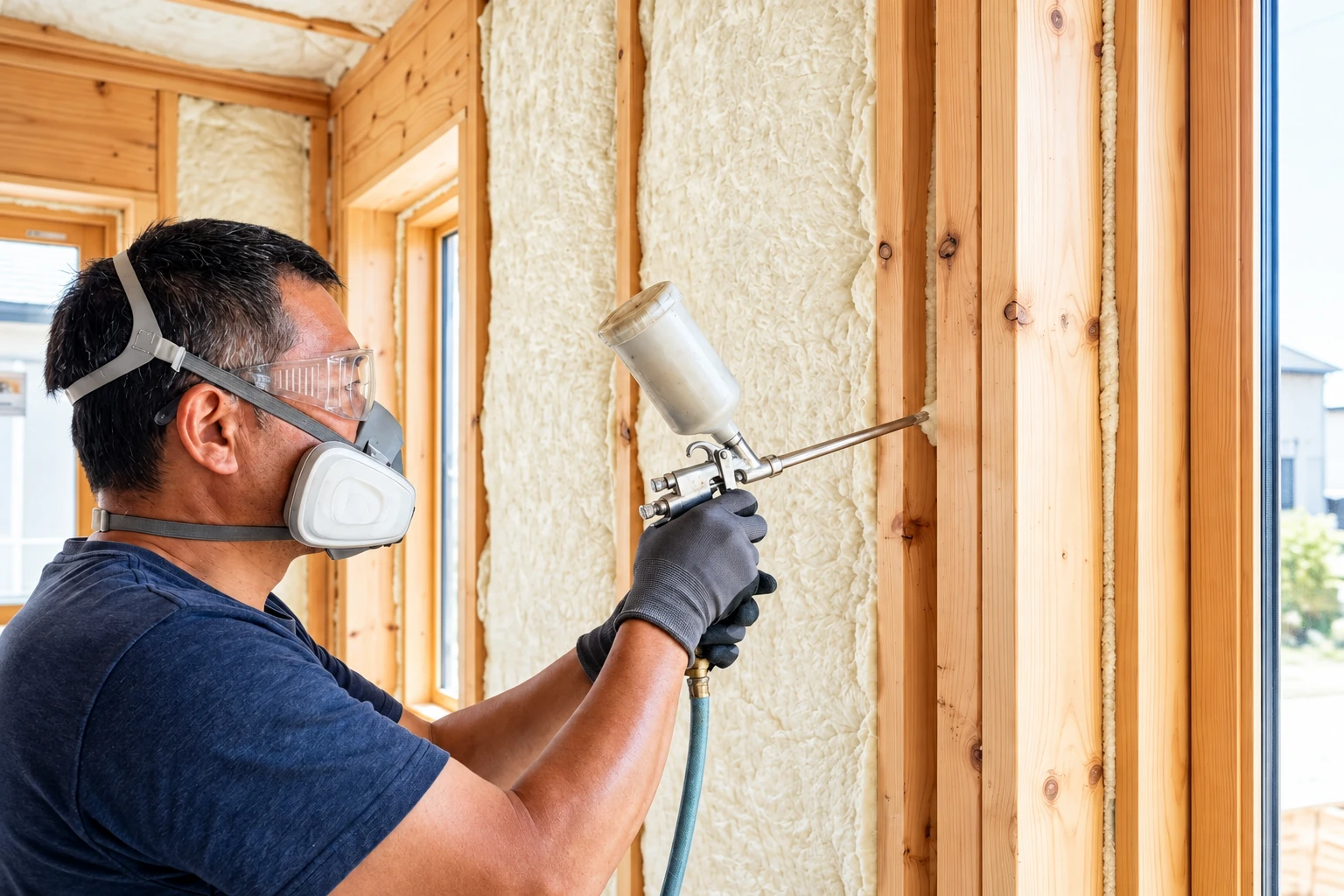
I start in the attic with a flashlight, looking for roof leaks, old wiring and insulation that's been soaked or filled with droppings, because foam sprayed over any of that just hides the problem, so those get dealt with first. Then our crew covers what needs protecting, sprays the foam onto the underside of the roof deck between the rafters and seals the edges where the roof meets the walls, so the attic turns into part of the closed-up house instead of an oven sitting on top of it. We keep the depth even all the way out to the edges, trim anything that bulges past the framing and clean up. We use open-cell above ground, mostly at the roof deck, and before we leave we write down where the foam went so you can tell any plumber or electrician who works up there later.
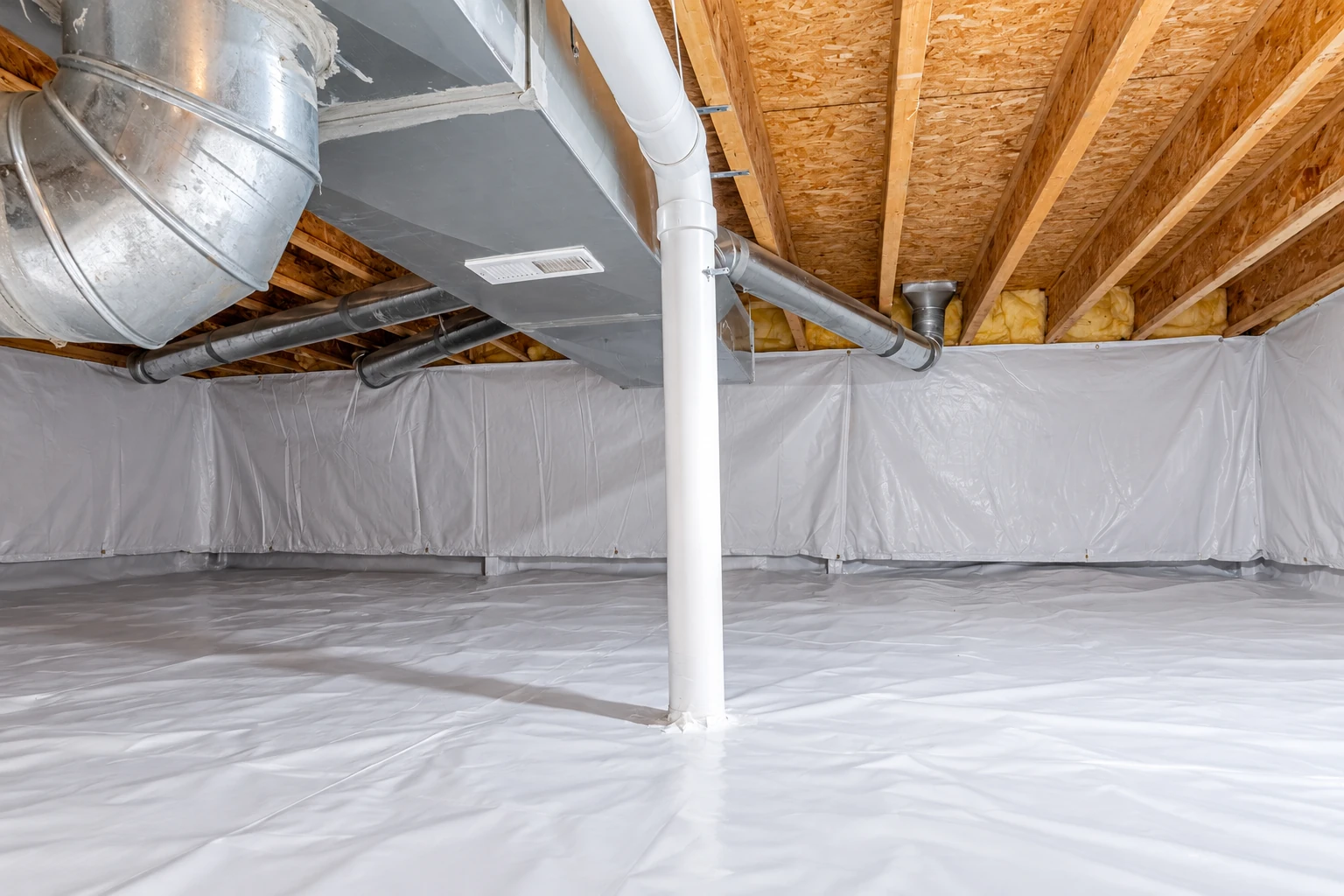
Below ground is a different job. For a crawl space we'll suggest another material, often starting with a crawl space vapor barrier over the dirt to keep ground moisture out of the house. The same roof-deck approach works on shops and offices too, and our commercial insulation work covers buildings in Pasadena and the cities around it, including Glendale, Burbank, Arcadia, Altadena and more.
Other work that often goes with it
Commercial insulation
If you run a shop, office or small building with a top floor nobody wants to work in by July, this covers how we insulate it.
Crawl space vapor barrier
When the floors run cold or the space under the house smells damp, a ground cover is usually the first fix before any insulation goes in.
What happens after you call about open-cell foam in Pasadena?
Call or send a request
Call (626) 345-7649 or use the form, and tell us roughly how big the attic is and what's bothering you about the house. We'll set a time for me to come out.
Walk the attic together
I come out myself and look at the attic with you, checking for leaks, wiring and old insulation. You get a written estimate with the plan and the order of work, so you can see what you're paying for and why each step comes where it does.
Our crew sprays the foam
Our own trained crew does the work while your household is out of the house. We go over the re-entry time, which is when you can come back in, before the day is set so you can plan where to stay.
Go over the finished job
Before we call it done, I go over the finished attic with you. If something doesn't look right to you, that's when we talk it through.
Questions before you book open-cell foam
How much does open-cell spray foam insulation cost in the Los Angeles area?
Open-cell spray foam in the Los Angeles area usually costs about $1,900 to $2,800 for 1,000 square feet at 3 inches thick. That's the going rate in the area, not our price, and a deeper layer, old insulation coming out first or repairs up top will move your number. Your written estimate gives you the figure for your own attic.
How long does a family need to stay out of the house after spray foam?
Consumer safety guidance says to plan on being out of the house for at least 24 hours. The safe return time depends on the product, the kind of house and whether children or older people live there, so we go over it with you ahead of time and you can line up a place to stay.
How do I know if spray foam is OK for someone in my house with asthma?
Start by reading the product information carefully, because the same safety guidance says people with skin conditions, respiratory allergies, asthma or an earlier sensitivity to isocyanates, the chemicals that react to form the foam, should do exactly that. If it's a concern, another insulation product may be the better call. Tell me at the estimate, so the choice is settled before anything gets booked.
Can open-cell spray foam go in a crawl space or basement?
Usually not, because a Department of Energy building guide rates open-cell foam not acceptable for foundations and below-grade spaces in many cases, since it lets moisture through. It stops air well at normal thicknesses, but it doesn't stop water vapor, so it can't do the job of a moisture barrier. Below ground, you'd want a different material.
Does open-cell foam qualify for the Pasadena Water and Power rebate?
It can, because the Pasadena Water and Power ceiling insulation rebate covers insulation added to the roof of an attic without vents, as long as it brings the ceiling to R-30 or higher. R-value is how well insulation slows heat, and open-cell foam gives about 3.6 per inch, so it takes a much deeper layer than the 3 inches in that usual price to get there. Only residential PWP electric customers qualify, new construction doesn't, and each property gets one rebate every 15 years.
Does a spray foam contractor in Pasadena need a license?
Yes, insulation work in California falls under the Contractors State License Board's C-2 insulation class, and the City of Pasadena requires a business license for any contractor who pulls permits there. We're licensed and fully insured. We find out which office covers your address, the city or the county, and if your job needs a permit we pull it and handle the inspection that goes with it.
Get a written plan for open-cell foam in your attic
Send the form and we'll reply within one business day to set up a free estimate at your property, with no obligation. I come out, look at the attic with you, and give you the plan and the order of work in writing.
Explore our services and areas
Services
- Spray foam insulation
- Attic insulation
- Blown-in insulation
- Home insulation
- Insulation removal
- Crawl space insulation
- Wall insulation
- Air sealing services
- Basement insulation
- Closed-cell foam insulation
- Commercial insulation
- Crawl space vapor barrier
- Vapor barrier installation
- Attic air sealing
- Retrofit insulation
Find out if open-cell foam fits your attic
Call (626) 345-7649 or use the form, and have the attic's rough size handy and whether you're a residential PWP electric customer, so we can talk about the rebate from the start.