Retrofit insulation in Pasadena CA - warmer rooms without tearing out walls
Upstairs rooms running hot or outside walls feeling cold? We add insulation to your finished house so the rooms finally hold a steady temperature.
- Service
- Retrofit insulation
- Call
- (626) 345-7649
How can you tell your house needs more insulation?
Hot rooms upstairs
If the bedrooms upstairs stay warm long after sunset, the attic usually has too little insulation or air is leaking in around it. Every summer you wait is another season of the AC running hard while those rooms still don't cool down.
Outside walls feel cold
A wall that's cold to the touch in winter often has empty cavities behind it, which is common in older houses where nobody ever filled the walls. Until they're filled, that room stays uncomfortable and the furnace keeps working against it.
Drafts at outlets and trim
Air you can feel at outlets, baseboards or the attic hatch usually means gaps that let outside air move through the house. Adding insulation without closing those gaps first leaves it fighting a draft, so the power bill barely moves.
How do you insulate a house that's already built?
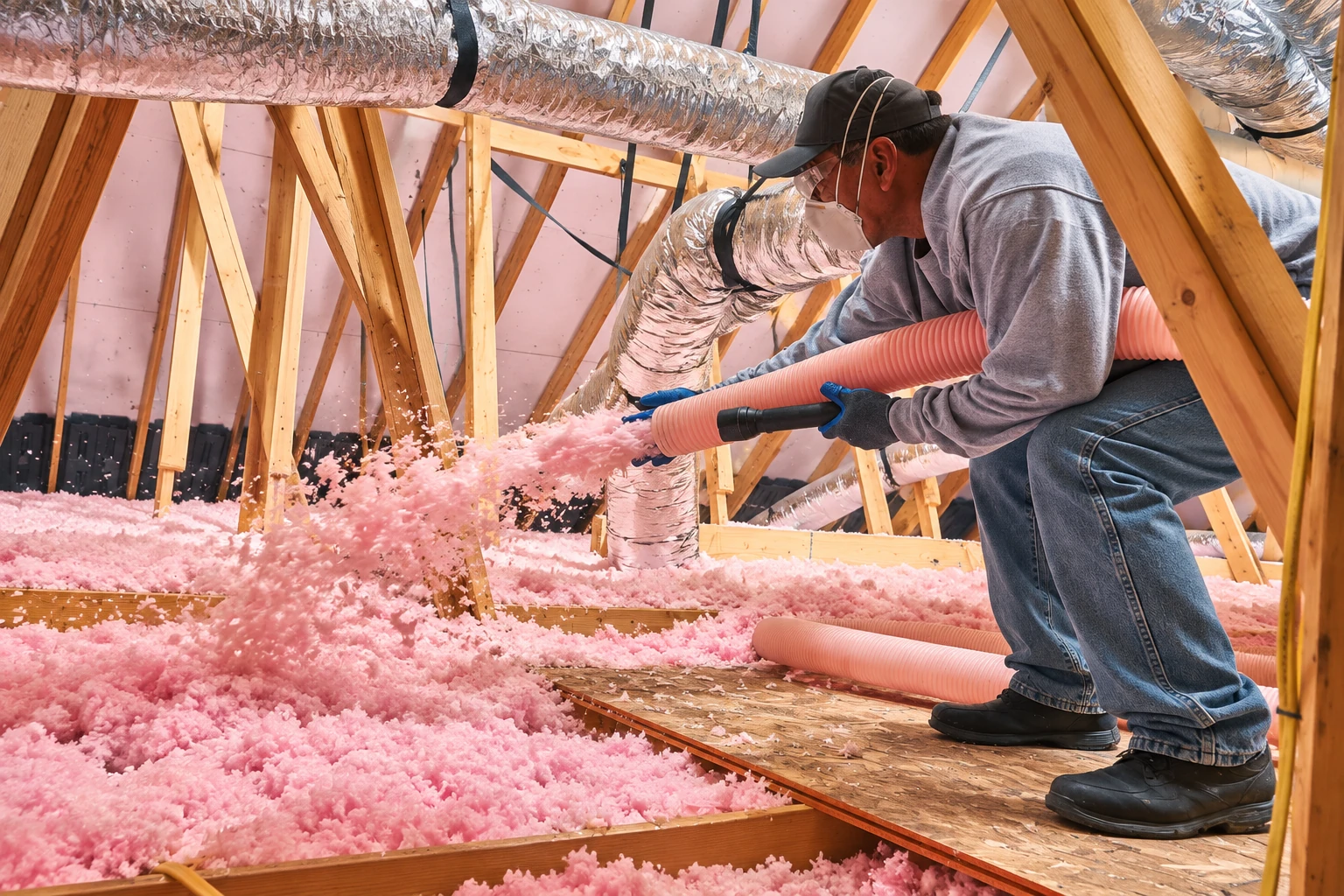
Retrofit insulation in Pasadena means adding insulation to a house that's already finished and lived in, usually by blowing it into closed walls and topping up the attic, so your rooms stop running hot in summer and drafty in winter.
Most of our calls come from older houses with hot upstairs rooms, drafty walls or old insulation nobody's sure about, and the job is filling those spaces without opening up the rooms you live in. The price mostly moves with how many walls we fill, which side of the wall we work from and how much patching that means, how much sealing the attic needs first, and whether old material has to come out. The schedule turns on what we find once we're in the attic and walls, and my written estimate lays out the plan and the order of work for your house. If it's mostly the walls you're after, our wall insulation page goes deeper.
Details to note before an estimate
- Year the house was built
- Whether the home has historic designation
- Rooms that feel hot, cold or drafty
- Any vermiculite or old insulation upstairs
How we handle retrofit insulation
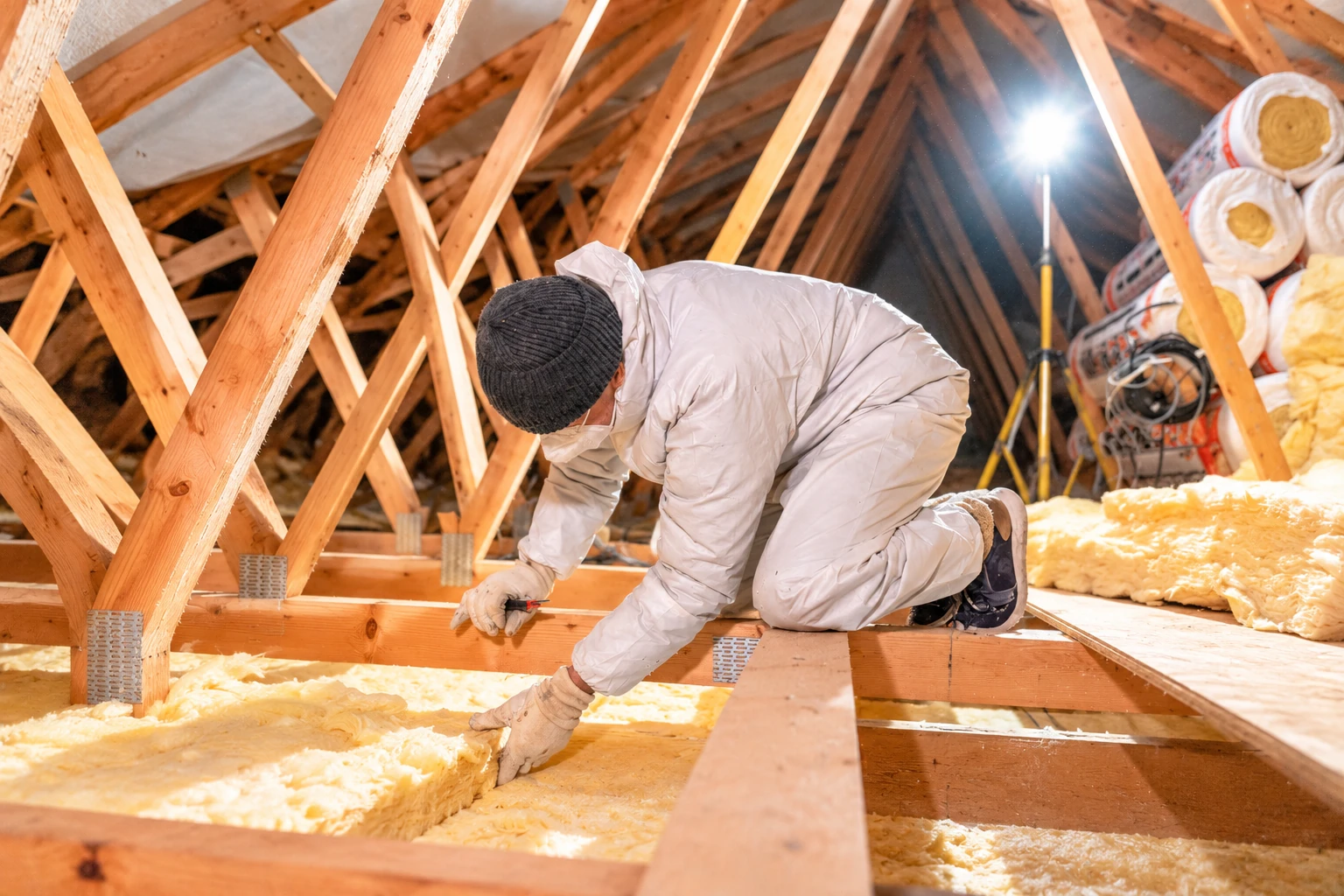
Adding insulation to a finished house means working around what's already there, so I look before anything gets drilled. I ask about the build year and any historic status first, because those decide which side of the wall we work from and what might be under the paint. Then we seal the big leaks around can lights, pipes and the attic hatch while they're still easy to reach, since insulation laid over a gap just fights the draft. After that our crew fills the wall cavities, patches the holes and tops up the attic so the edges get as much as the middle, keeping the eave vents clear so the attic can still breathe. If the old material up there is soaked or full of droppings, it comes out first, because new insulation on top only hides the problem. We cover the floors as we go and clean up when we're done.
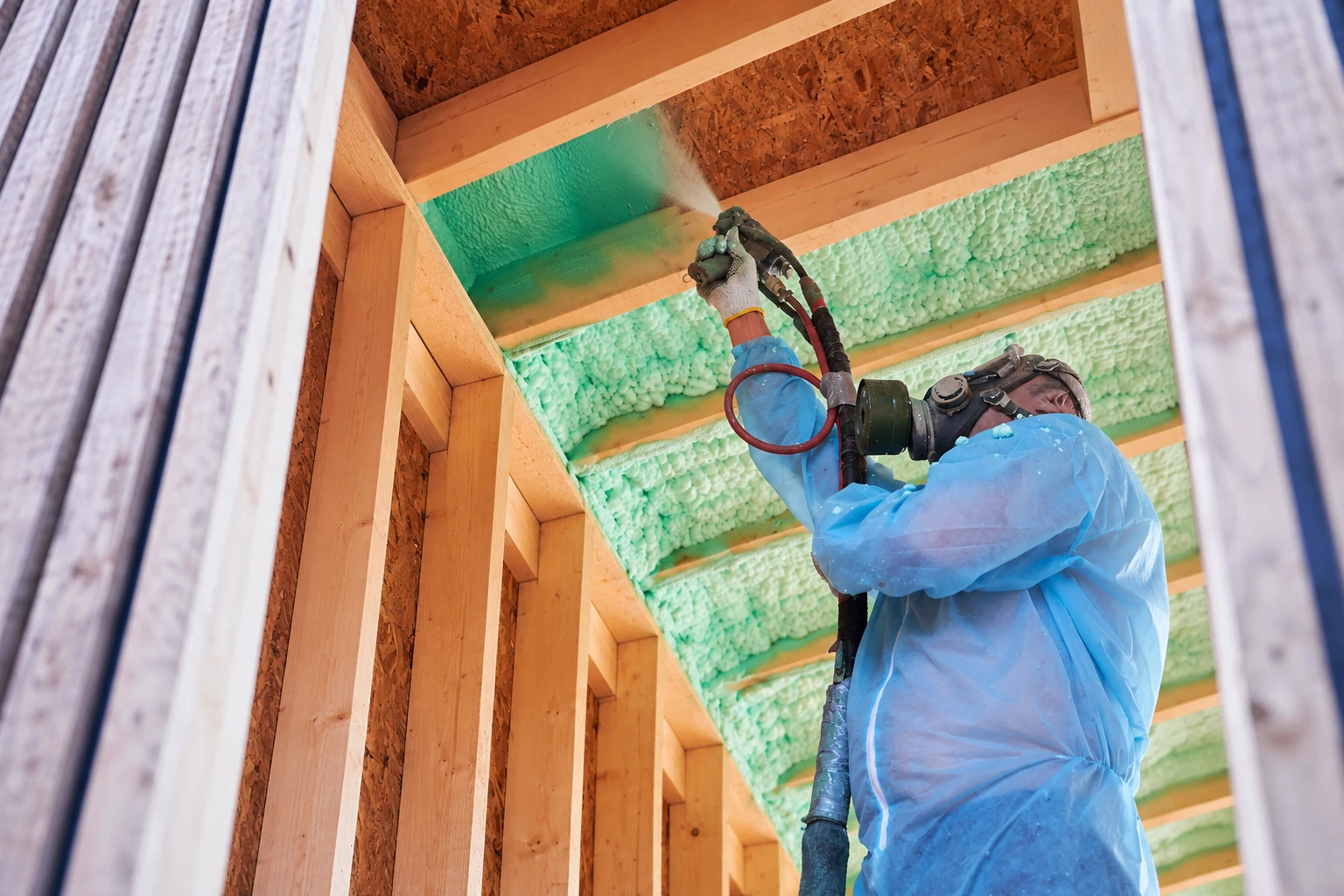
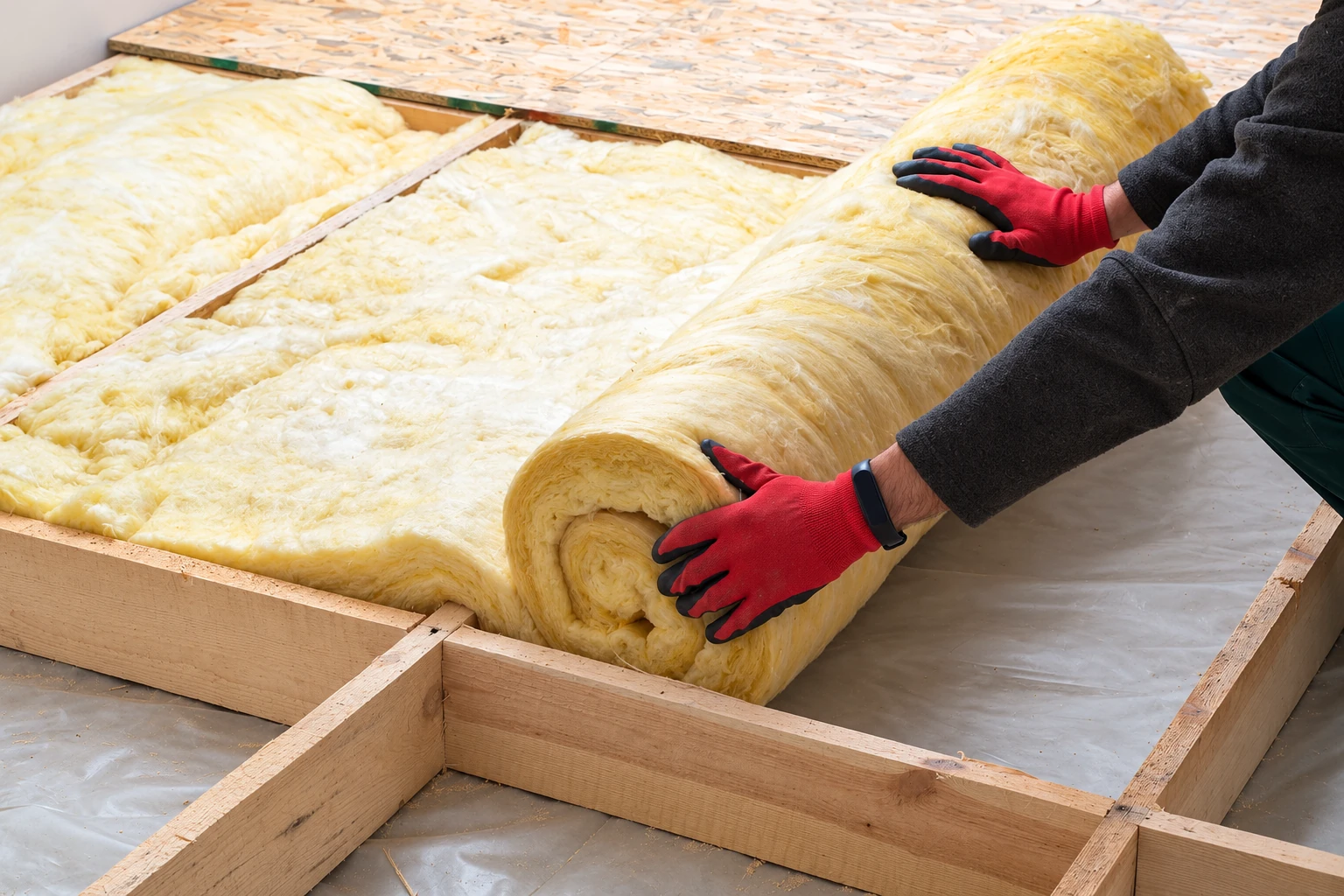
Most retrofits touch the attic too, and attic insulation is usually where hot upstairs rooms get fixed. Spray foam insulation costs more and seals air while it insulates, but for most attics I'd rather seal the gaps and top up loose fill, because it does the job for less money. The exception is when your ductwork runs through the attic, and that's where foam earns its price.
Work that often goes with a retrofit
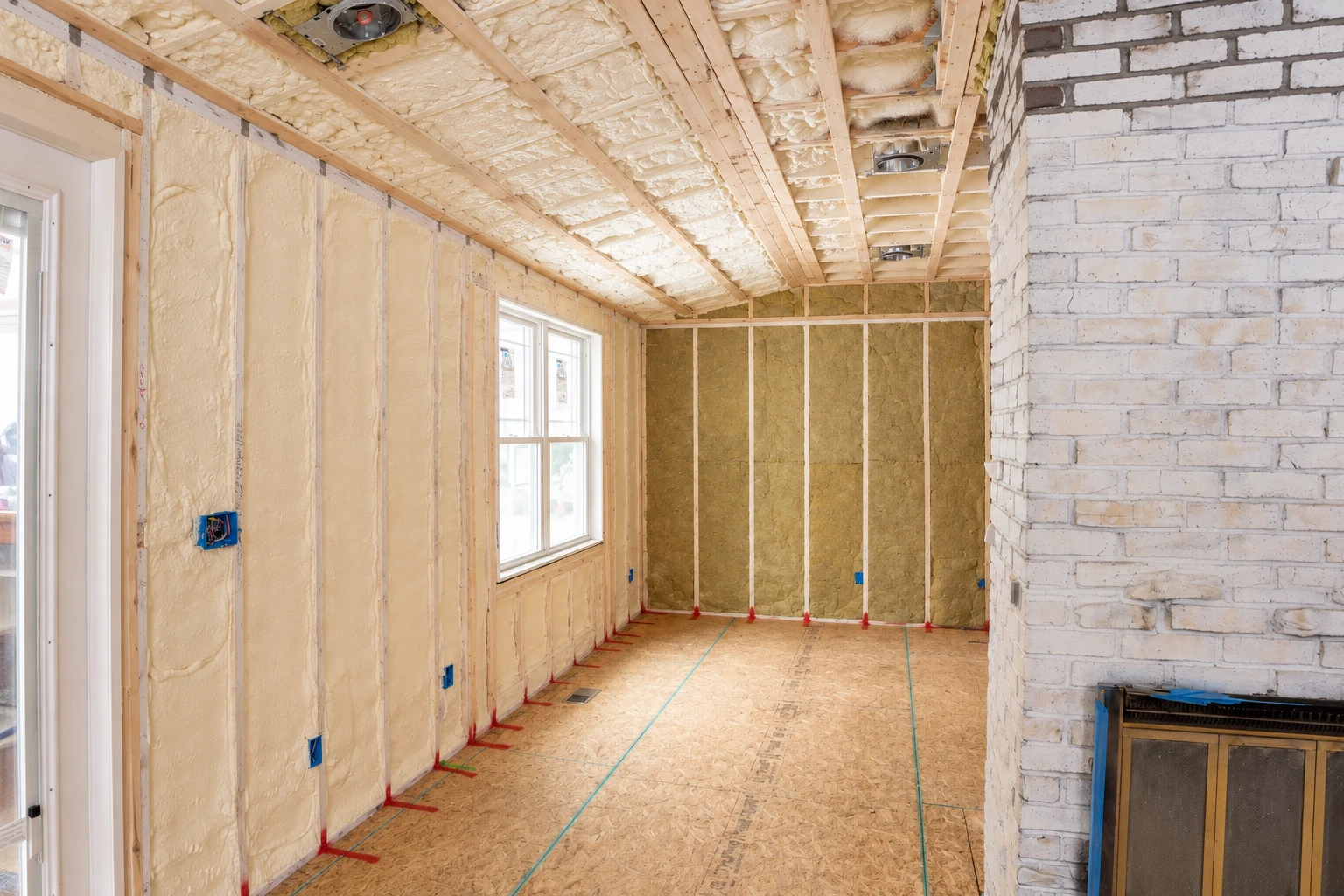
Spray foam insulation
Worth a look for the room over the garage or an attic full of ducts, where you want the air stopped and the space insulated in one pass.
Attic insulation
If there are only a few inches left above your ceiling, a proper top-up is often the first fix we'd suggest for a hot second floor.
What happens after you call about retrofit insulation in Pasadena?
Call or send a request
Call (626) 345-7649 or use the form, and tell us when the house was built and which rooms bother you. We'll set a time for me to come out.
Walk the house with me
I look at the attic, walls and crawl space with you and explain what's up there. You get a written estimate that lays out what gets done first and why, with the price for your house before anything starts.
Our crew does the work
Our own trained crew seals the leaks first, then insulates, covering floors and cleaning up as they go. If we find something we didn't expect, I tell you before we keep going.
Go over the finished job
I walk through the attic and the patched walls with you before we call it done. You see what went in and where.
Questions before you book retrofit insulation
How do I add insulation to finished walls without tearing them out?
Most finished walls get insulated by drilling small holes near the top of each wall cavity, from inside or outside, blowing insulation in and patching the holes. Going in from outside breaks the wall's drainage plane, the weather layer under the siding, if the house has one, so it has to be patched or replaced, while working from inside leaves it alone. The right side depends on access and what shape that layer is in, and for a house built before 1980, federal guidance says to keep lead safety rules in mind either way.
How much does retrofit wall insulation cost in Pasadena?
A blown-in wall insulation retrofit in Los Angeles County usually costs about $1,900 to $4,200 per job, and that's the going rate around here, not a quote. Where your house lands depends on how many walls get filled, which side we work from and how much patching that means, and whether the attic needs sealing or old material removed first. I'll give you a written price for your house after I've looked.
What is the best way to deal with vermiculite insulation in my attic?
The EPA advises treating vermiculite as if it may contain asbestos and leaving it undisturbed. If you decide to have it taken out, the EPA says a trained, accredited asbestos abatement contractor should do it, separate from the company that assessed it. If I see it up there, we stop and talk it through before any attic work goes ahead.
Does a historic home in Pasadena need special approval for exterior insulation work?
It does if your home is a designated historic property and the work changes how the outside looks from the street, because Pasadena requires a Certificate of Appropriateness for that. Check with the city whether your house has that status before we pick a side of the wall to work from. We find out whether the city or the county covers your address, and if your job needs a permit, we pull it and handle the inspection.
Who is allowed to install insulation in California?
The California Contractors State License Board has an insulation and acoustical class, C-2, that covers installing insulation for temperature or sound control, so that's the license to look for. Ask any contractor you're considering to show you theirs before work starts. We're licensed and fully insured.
How long does blown-in wall insulation last?
The cellulose insulation makers' trade group says properly installed cellulose can work well for decades. That depends on the install, so who does the work matters as much as what goes into the wall. Your satisfaction, guaranteed.
Get a written retrofit plan for your house
Send the form and we'll reply within one business day to set a time for me to come out. The estimate is free, done at your property and obligation-free, and you get the plan and the order of work in writing.
Explore our services and areas
Services
- Spray foam insulation
- Attic insulation
- Blown-in insulation
- Home insulation
- Insulation removal
- Crawl space insulation
- Wall insulation
- Air sealing services
- Basement insulation
- Closed-cell foam insulation
- Open-cell foam insulation
- Commercial insulation
- Crawl space vapor barrier
- Vapor barrier installation
- Attic air sealing
Call about insulating your finished house
We're open every day until 11 PM, so you can call (626) 345-7649 after work.